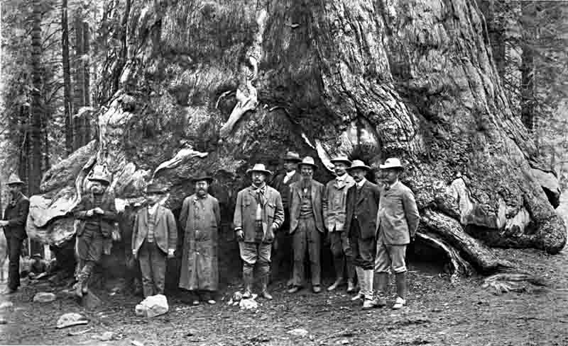
Many people associate the national parks with “crown jewels” such as Glacier, Grand Canyon, Rainier, Rocky Mountain, Yellowstone, and Yosemite; with National Park Service (NPS) rangers in gray-green uniforms and Smokey Bear hats; and with the nationalist mystique that the parks are “America’s best idea” and a unique, exceptional model emulated by all other nations. Yet these stereotypes belie a richer alternative reality. The U.S national park system has over 400 units, not just national parks, but also monuments, historic sites, recreation areas, and other designations, 29 types in all, many of which contain legally defined wilderness areas. These lands encompass some 84 million acres, include everything from the White House to caribou herds, exhibit enormous biological and cultural diversity, and manifest profound ecological problems. Uniformed law enforcement rangers, moreover, are not the only stewards of the national park system and its programs; so are landscape architects, engineers, planners, archaeologists and anthropologists, geologists, biologists, historians, and other professionals. Overall, the national parks and the National Park Service have been mirrors to the United States, and their history reflects the nation’s struggles over race, ethnicity, gender, ideology, economics, business development, environmental quality, empire, and foreign policy. As public lands face rapid environmental changes and calls to return parks to Indigenous nations, it’s crucial to learn about the history and rhetoric of recreation, preservation, and resource management. This course will include an overview of the national parks from the perspective of both environmental and media histories, learning from authors and artists who have documented the parks, and site visits with opportunities for hands-on learning and media-making.


You must be logged in to post a comment.